When does
someone become
something?
The film’s absurdity makes an ordinary moral failure visible: noticing what a person can provide more clearly than the person themselves.
The face changes.
The relationship continues.
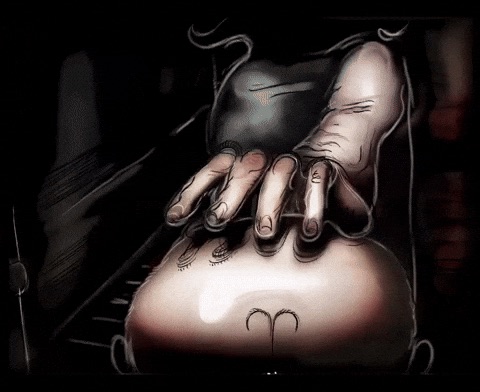
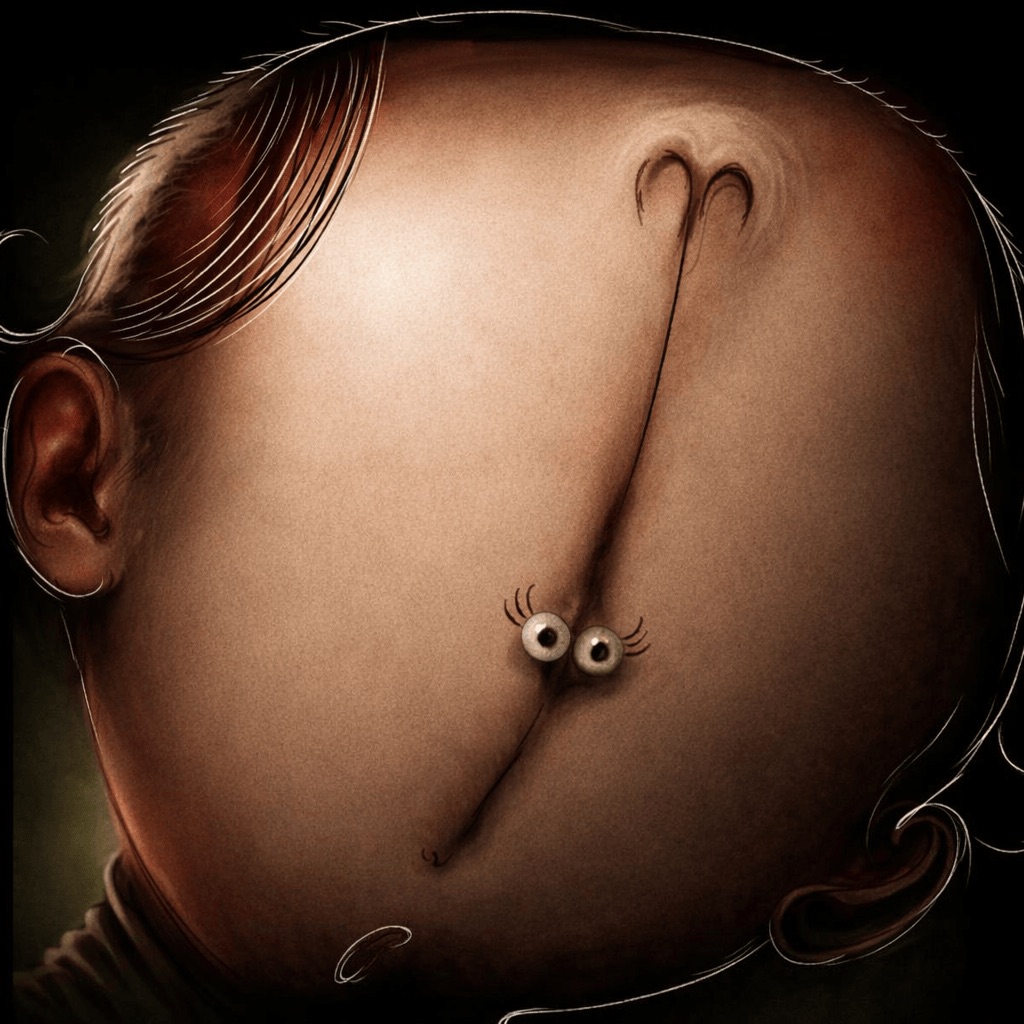
A familiar face makes recognition easy. Gerben’s transformation removes that convenience. Magret has to respond to the changed person in front of her while remembering the brother with whom she shares a life.
The viewer is asked to do similar work. A crumb, a rounded cheek or an awkward gesture can look comic and remain an expression of need. The image holds appetite and sympathy together, letting each disturb the other.
What would let you recognise someone after the features you rely on have changed?
Hunger explains
the pressure.
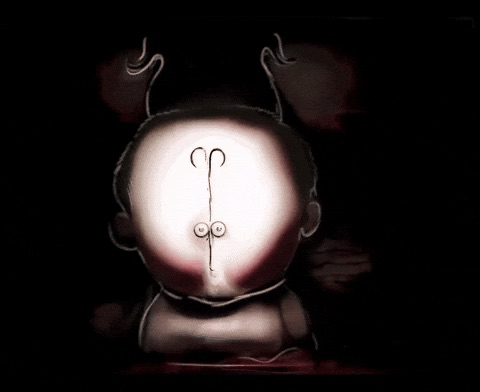
A crowd’s need to eat is real. So is the vulnerability of the person it pursues. The film gives neither fact a comfortable distance from the other. Gerben becomes desirable because he resembles relief.
That collision keeps the satire from remaining an accusation directed at strangers. Magret is hungry as well. The force threatening her brother is a bodily condition she has to endure, making the border between protection and appetite painfully intimate.
When does an urgent need begin to erase the person expected to satisfy it?
Love takes
time and strength.
Care is often imagined as an intention. The chase gives it a body. Remaining beside Gerben costs attention, movement and energy; every obstruction makes the relationship harder to maintain.
Magret’s care also resists the idea that a person’s value must be proven through usefulness. Gerben does not have to become productive, easy to protect or physically familiar before he can remain her brother.
What does staying beside someone require when you cannot promise to make them well?
The horror begins
with ordinary bread.
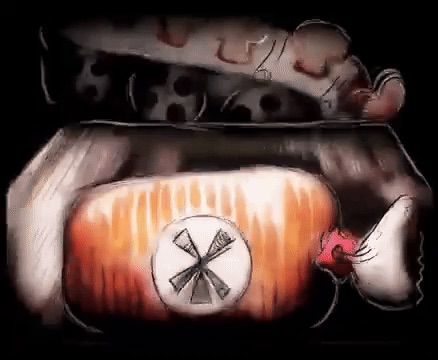
Bread carries domestic trust. It belongs in a hand, on a table and between people sharing a meal. The Mill’s promise works because its product enters that familiar place before its consequences can be understood.
Turning bread into a frightened body makes the comfort of a staple food unstable. Sharing and taking, feeding and consuming, tenderness and appetite begin to occupy the same gestures. The image is funny quickly; its consequences take longer to leave.
How does recognising a food change when that food appears to recognise you?
Stay with the person
inside the premise.
These are readings of the film’s central pressures. The moving image can make them stranger, funnier and more uncomfortable than an explanation can.
Watch Bread Will Walk ↗